
We’re taking it back to the basics and sharing how to create a social media plan for your brand. It is very crucial to have a plan before getting to work so you can avoid overspending and so you don’t waste time. So, let’s get straight to it!


We’re taking it back to the basics and sharing how to create a social media plan for your brand. It is very crucial to have a plan before getting to work so you can avoid overspending and so you don’t waste time. So, let’s get straight to it!

Since the beginning of the pandemic, the focus for businesses has been how to create touchless solutions to keep consumers and employees safe. Since there are a wide variety of new options available, we found a few ideas that most businesses should consider moving forward.

Since the COVID19 pandemic began, businesses have been constantly scrambling to figure out how to move forward and interact with shoppers. As a business, you still want to reach out and stay visible, but what are customers really looking for now? Since about 70% of consumers are engaging more on social media, what a business posts is of the utmost importance. That’s why we gathered a few suggestions to help businesses find their next strategy.

1. Growth of M-Commerce
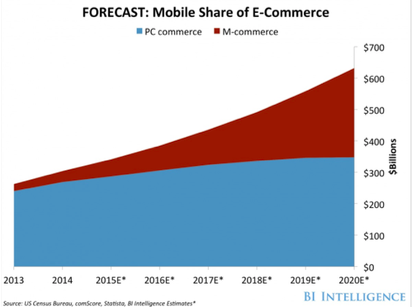
M-Commerce isn’t new; people have been using their phones to make purchases for years now. However, the amount of people using their phones to make purchases has drastically increased. New sophisticated shopping apps and social media commerce integration (ex. The Facebook & Instagram shop feature) has made it super easy for consumers to use their phones to make purchases.
Just how big will M-Commerce get? Check out this graph below:
2. Ever changing shift of social media content
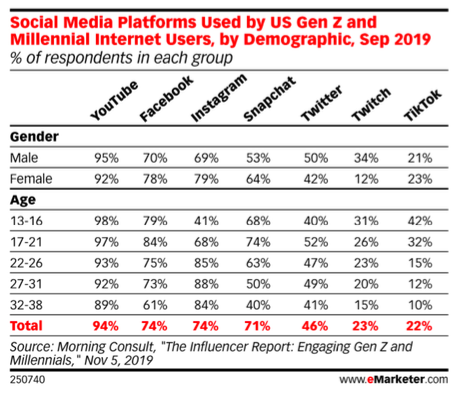
A few years ago, Facebook was the leader in social media. Although they still remain popular being used by 69% of adults; they now face tense competition. Young adults are now turning to other platforms such as Instagram, YouTube, TikTok, Snapchat and Twitter. These changes are mostly due to mobile. Smartphones have provoked interest in new apps and new content.
For a breakdown of each platform, check out our “Social Media Best Practices” blog post!
3. Growth of mobile gaming
A few years back, gaming sales were driven by consoles and PC titles. However, mobile gaming now accounts for 57% of revenue and this upward trend is coming from everyone, not just avid gamers.

4. Improved quality of in-app advertising
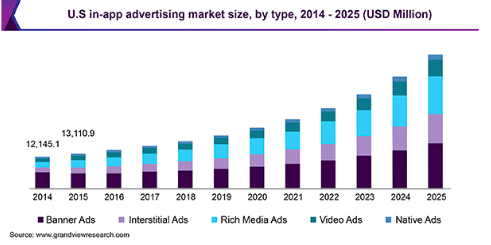
In the past, brands have struggled to use apps for advertising due to fraud. Now that fraud is on the decline it has become much easier for marketers to run successful ad campaigns. Below is a chart that shows the types of ads marketers are using, as well as the amount of money spent from 2014 all the way to what they predict in 2025.
5. Effectiveness of location-targeted mobile ads
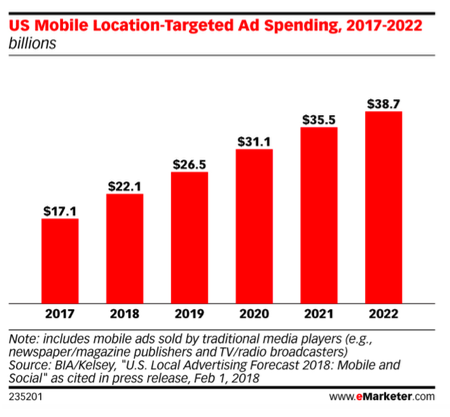
Smartphones have allowed marketers to serve location-targeted ads while consumers are on the go. They have proven to be very successful and marketers don’t plan to stop using this method anytime soon. In fact, the spend on location-targeted ads is expected to jump to $31.1B this year, which is a $4.6B increase from 2019.
6. Continued rise of mobile audio marketing
Smartphones provide so much visual opportunities for brands that they sometimes miss the opportunity for audio marketing. One example of audio listening that has really taken off is podcasting. In fact, 51% of Americans claim they listen to podcasts either in the car or on the go. Podcasts are an easy way to reach a wide range of people while delivering engaging audio ads; and advertising spend is expected to increase significantly.

7. Powerful benefits of programmatic mobile ad buys
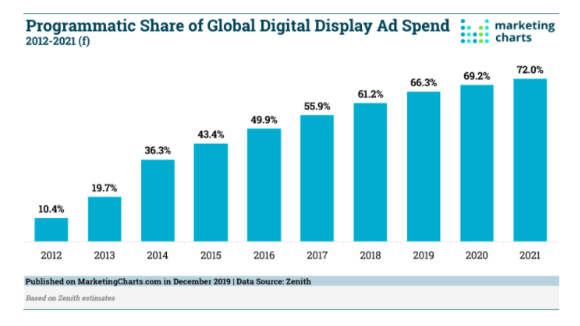
Due to adopting AI and machine learning, mobile ads have become very powerful for marketers. In the past there was a lot more guessing and manual work, however, now brands can define a few parameters and let the ad do its thing. Programmatic buying is becoming routine across formats. In fact, 69% of global display inventory is expected to be purchased programmatically this year.
Need a partner with their finger on the pulse of digital trends? Contact us today to see how we can help boost your brand!

It’s important to guide your consumers through the buying process by using effective call to actions. Think about all the times you’ve subscribed to a list, downloaded something, or visited a website. Each click is likely a result of an effective call to action.


