
It’s no surprise to hear that the current pandemic has created a ripple effect on how businesses operate. What may not be quite as obvious are the behavioral changes of shoppers beyond this time of uncertainty. We’ve done some research and found a few potential behavioral changes that businesses should be thinking about moving forward.
Perhaps the most obvious change will be the consumer’s desire for cleanliness and safety in stores. In fact, studies show a whopping 87% of U.S. shoppers prefer to have touchless systems and less face to face interaction. Hand sanitizer dispensers, touchless payment and checkout, plastic guards between shoppers and employees, and the like, will become almost a standard moving forward. It is important for retailers to adopt these procedures to create a safe and comfortable feeling for shoppers and earn their trust.
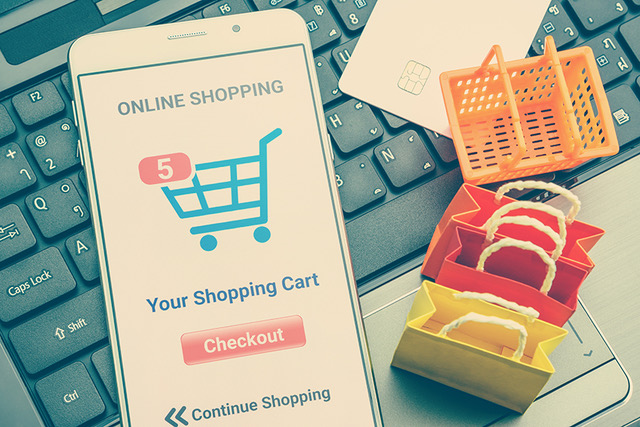
The next thing to consider is that online shopping will continue to grow. Social media was already moving our society towards digital commerce, but COVID-19 has drastically accelerated that transition. According to a survey, a staggering 65% of consumers had already switched to online shopping and using curbside services by the end of March. If this trend continues, it may push businesses to offer unique products and additional services, like delivery and pick up options. This makes sense as shoppers are becoming accustomed to the ease of their current online experiences and may prefer businesses that continue to offer these options.
The final, and perhaps the most important, thing to keep in mind is brand loyalty. In a time where favorite items and brands are out of stock, consumers are seeking out alternative options and brands they have never tried before, possibly altering their brand loyalty long after the pandemic has subsided. Brands should strategize how to stay relevant to and connect with shoppers online as they will be watching how a brand reacts through these tough times. Shoppers are looking for everything from empathy and connection to how a brand treats their own employees. Even larger brands like Levi’s, for example, is taking this time to connect with shoppers online to build relationships and earn their trust.
From cleanliness in store to shifting brand loyalty, businesses should be preparing for how to strategically work through this difficult time. The world may not know how many shoppers will continue their current behaviors, but one thing is for sure, shopping experiences are bound to look and feel very different in the future and it will have a heavy dependence on a brand’s digital presence and interactions with consumers. If you are looking for guidance on all things digital for your business, give us a call!


