
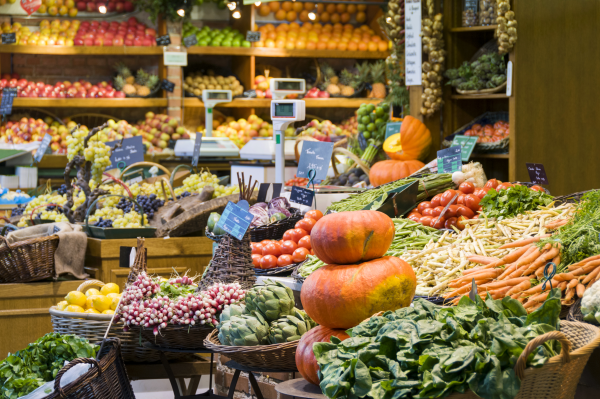
Since the 1950s, grocery store layouts have remained largely frozen in time. The layouts are functional and strategically lead the consumer through the supermarket. “Every inch of the traditional track around US supermarkets – from the beautifully lit piles of produce and bounteous bakery section to the inviting prepared foods – has been honed to maximize the grocery industry’s tried-and-true business strategy: Promote the national brands and packaged goods that drive customers in the door, but steer them toward the more profitable, perishable goods – such as fresh produce – where the supermarket really makes money” (Quartz, 2014). The layout encourages consumers to consider purchasing the products with higher profit margin above those with less, found in the center of the store.
Although designs have been fairly stagnant in the past, we have begun to see innovation making its way into grocery store layouts. For example, Sprouts has redesigned their store around produce and, unlike other stores, hides their produce at the middle back of the store knowing their consumers will search it out.
Amsterdam-based architects NL Architects recently took a grocery store brief for a new supermarket in Sanya, China to a whole new level. The original brief called for a simple shopping structure next to residential slabs. NL Architects’ ambitious proposal suggested that the unattractive structure be an open, airy building surrounded in glass with a lushly planted roofscape creating a value add to the neighborhood.
A group of designers is currently working on a futuristic pop-up grocery store in New York City that will open next summer. The designs will be quite progressive. “You might, for example, walk into the store with a digital food ID that tells the store your allergies, food preferences, and dietary needs, and then you might shop on a touch-screen shelf that automatically delivers your order—possibly picking fresh vegetables from an in-store hydroponic farm on the way” (Fast Co., 2014).
These examples are only a few of the changes predicted for the future of grocery stores. The demand for technology in stores, more intimate store layouts, an emphasis on prepared foods and local merchandise will begin to shape the next supermarket era. Shifts inside the grocery store will directly affect brand managers and marketers in the food and beverage industry. The methods used to communicate to consumers in store may vary and the shopper’s current path to purchase may deviate. Staying on top of what’s coming down the line will help your brand stay ahead of others in the marketplace.
Need help keeping on top of trends like these? Contact us, we’d love to help.


